

🏁 Race Weekend Format
Every F1 weekend is a trilogy of speed and strategy.
Practice Sessions open the event, allowing teams to experiment with setups and understand tyre behavior under changing conditions. The intensity rises in Qualifying, a pure speed test where a single mistake can compromise a weekend's work. The Grand Prix is the final act, a war of attrition where risk, reward, and race craft collide over hundreds of kilometers.
The three-part drama — Setup. Sprint. Survive.
⚙️ Qualifying Structure (Q1–Q3)
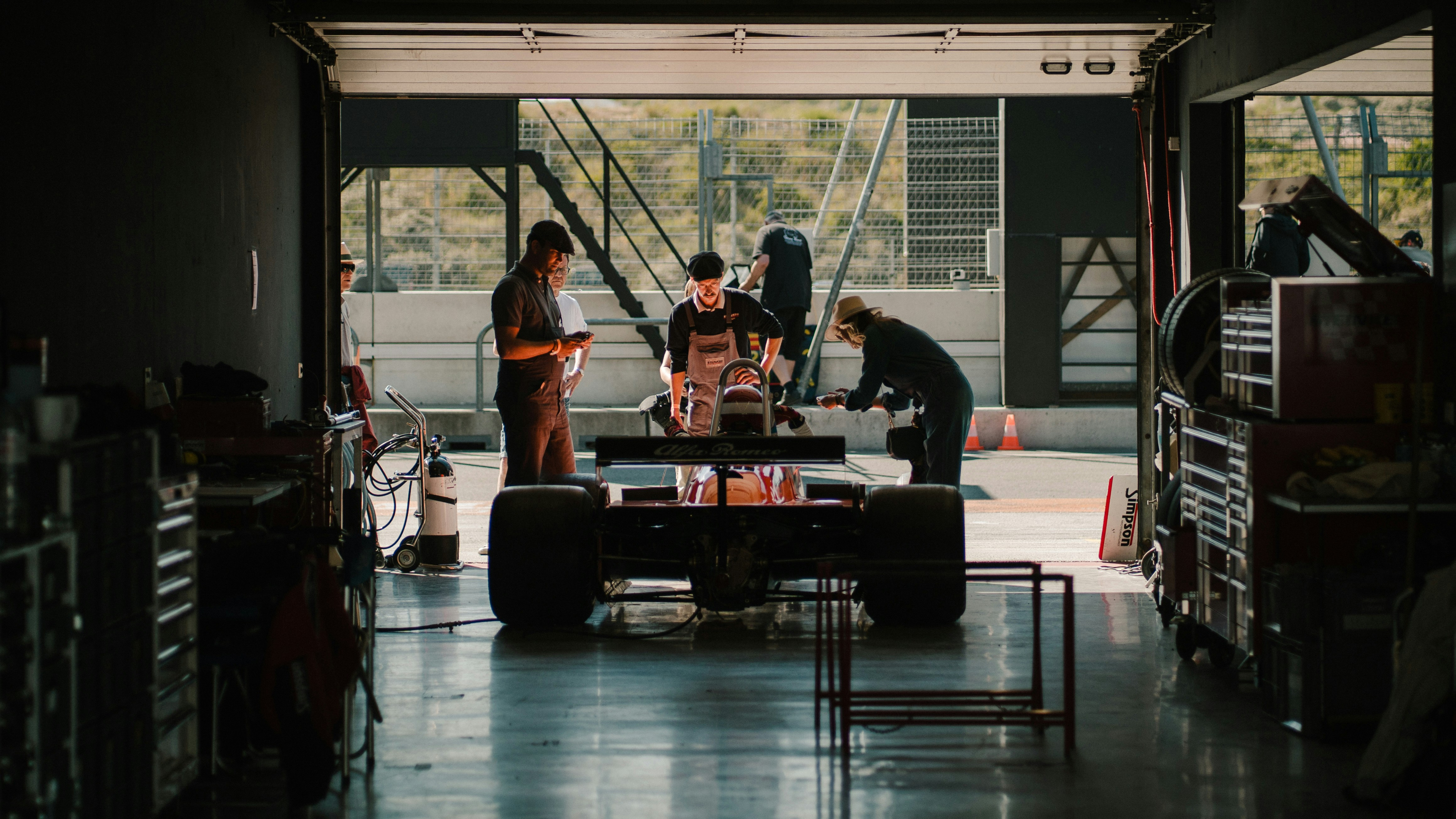
In qualifying, it's survive and advance.
Q1: The entire field gets 18 minutes; the bottom five are eliminated. Q2: A 15-minute session where the focus shifts to race-start tyre choice; the slowest five are out. Q3: The top ten have one final, 12-minute chance to lay down a lap that will define their Sunday.
From twenty to one pole sitter.
🏎️ Points & Championships
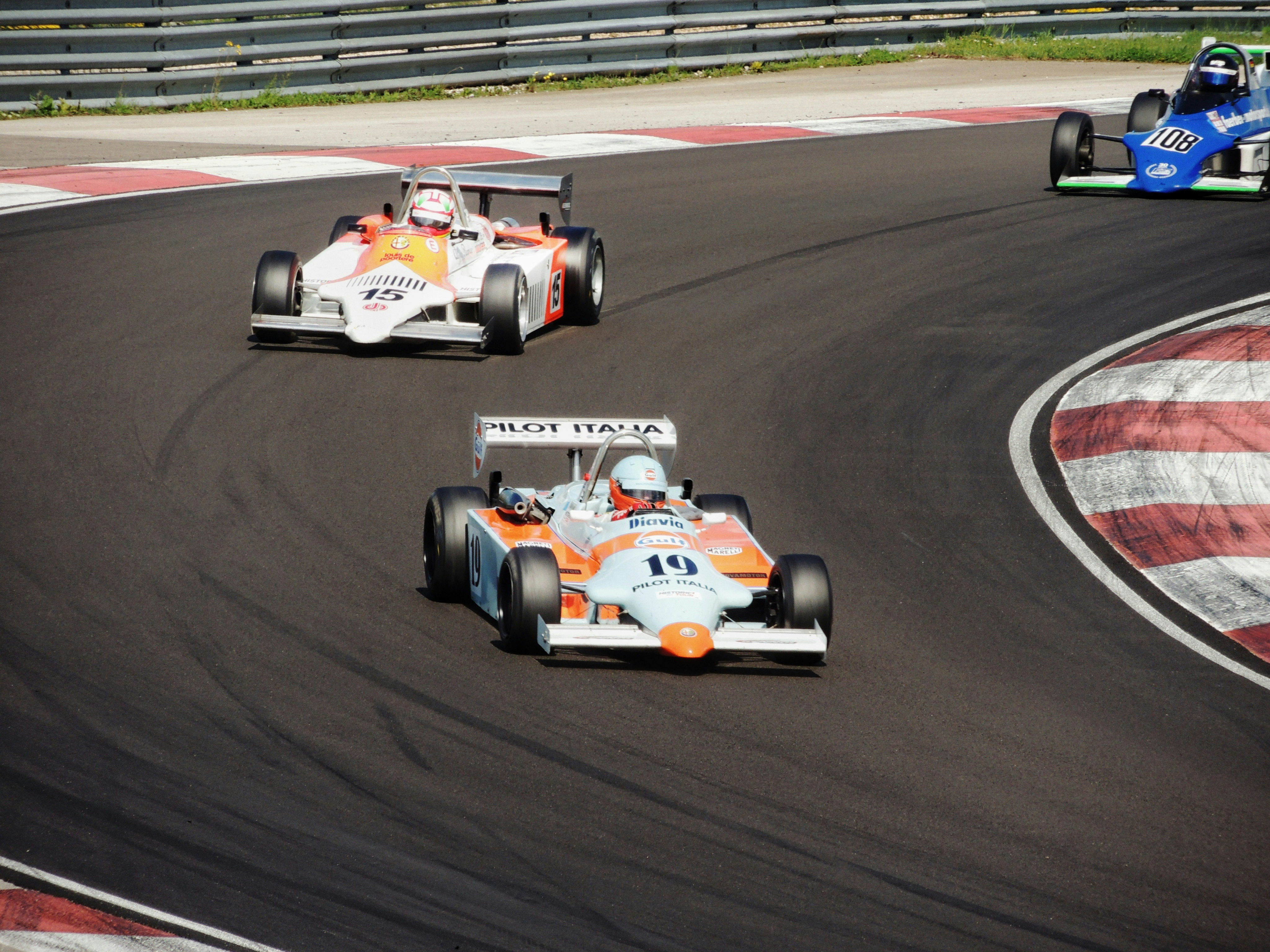
Every position is a fight for points.
The points system rewards the top ten finishers, with the winner taking 25 points and each position down to 10th receiving fewer. A driver who sets the Fastest Lap and finishes in the top 10 earns an additional point, a small but potentially decisive bonus. Accumulated points over the season decide the fate of the two ultimate prizes: the Drivers' Championship and the Constructors' Championship, the latter calculated by adding the points of both team drivers at every race.
🚦 Pit Stops & Race Safety
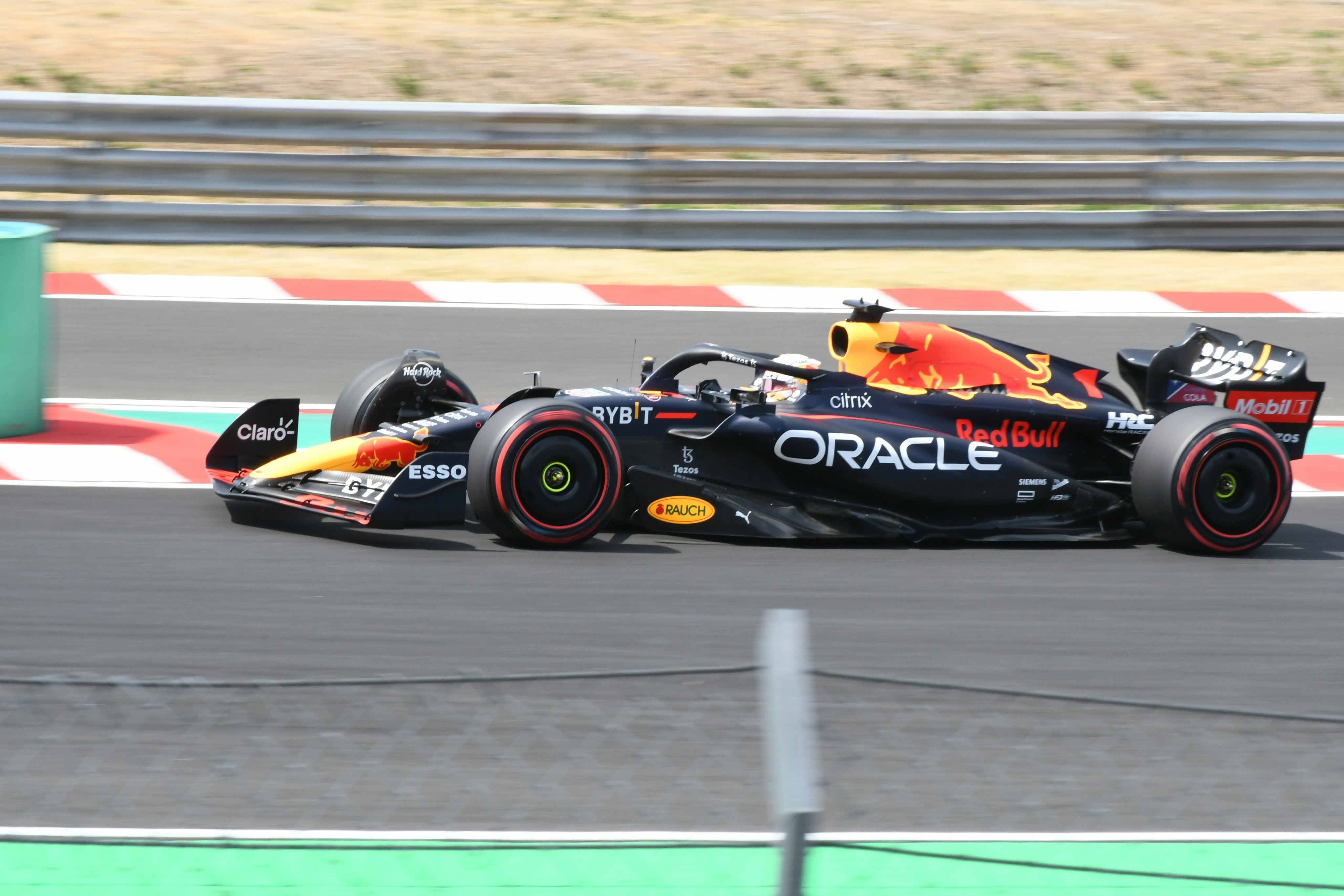
The pit lane is where races are strategically won.
The mandatory use of two different tyre compounds forces teams into at least one pit stop, creating multiple strategic possibilities. The pressure in the pit lane is immense, with sub-two-second stops being the standard for a top team. For on-track incidents, officials can call a Safety Car, which leads the field and allows for pit stops with reduced time loss, or a Virtual Safety Car, which mandates a specific speed for all cars, preserving race gaps but altering fuel and tyre wear calculations.
🏁 Race Weekend Format
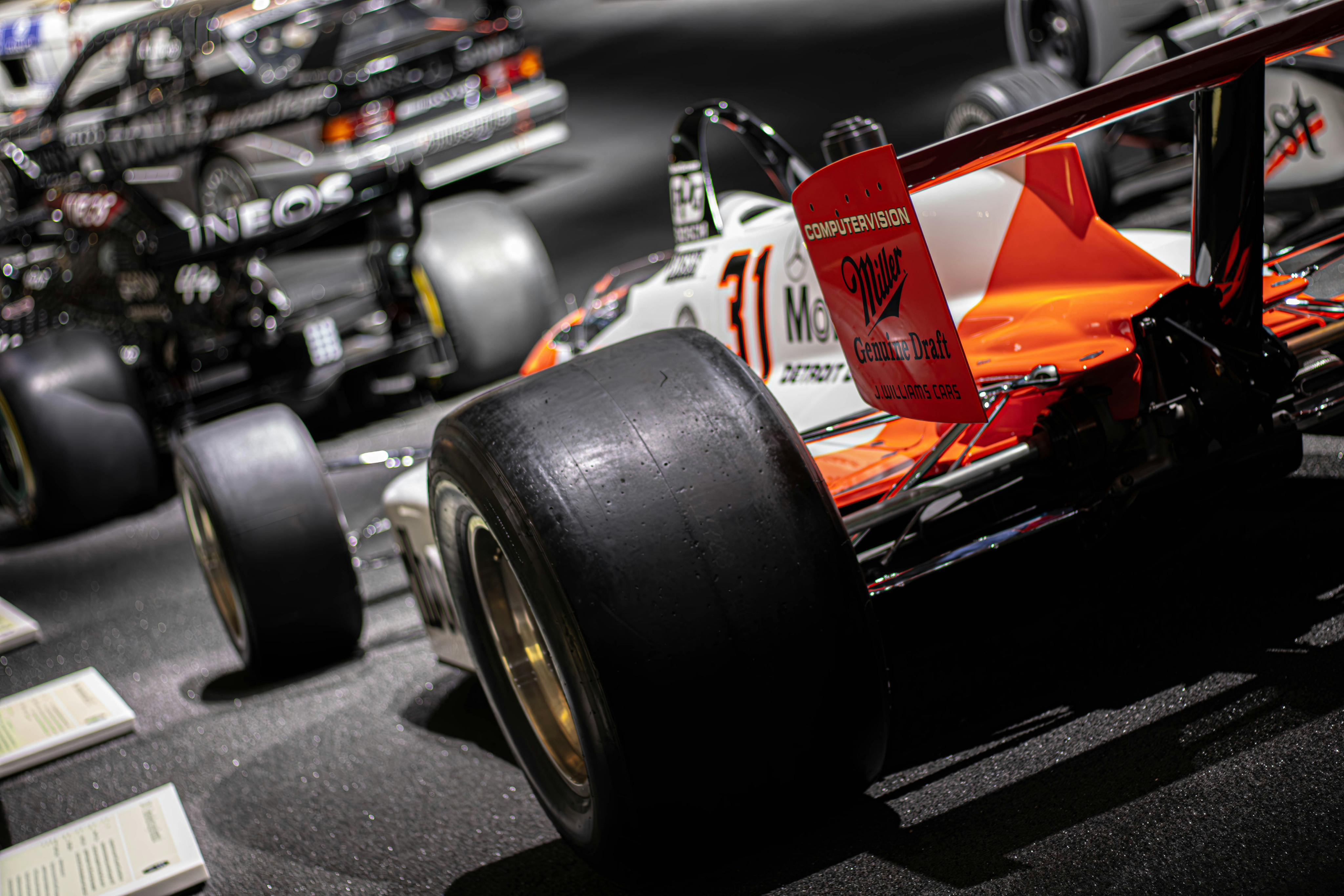
Every F1 weekend is a trilogy of speed and strategy.
Practice Sessions open the event, allowing teams to experiment with setups and understand tyre behavior under changing conditions. The intensity rises in Qualifying, a pure speed test where a single mistake can compromise a weekend's work. The Grand Prix is the final act, a war of attrition where risk, reward, and race craft collide over hundreds of kilometers.
The three-part drama — Setup. Sprint. Survive.
⚙️ Qualifying Structure (Q1–Q3)
In qualifying, it's survive and advance.
Q1: The entire field gets 18 minutes; the bottom five are eliminated. Q2: A 15-minute session where the focus shifts to race-start tyre choice; the slowest five are out. Q3: The top ten have one final, 12-minute chance to lay down a lap that will define their Sunday.
From twenty to one pole sitter.
🏎️ Points & Championships
Every position is a fight for points.
The points system rewards the top ten finishers, with the winner taking 25 points and each position down to 10th receiving fewer. A driver who sets the Fastest Lap and finishes in the top 10 earns an additional point, a small but potentially decisive bonus. Accumulated points over the season decide the fate of the two ultimate prizes: the Drivers' Championship and the Constructors' Championship, the latter calculated by adding the points of both team drivers at every race.
🚦 Pit Stops & Race Safety
The pit lane is where races are strategically won.
The mandatory use of two different tyre compounds forces teams into at least one pit stop, creating multiple strategic possibilities. The pressure in the pit lane is immense, with sub-two-second stops being the standard for a top team. For on-track incidents, officials can call a Safety Car, which leads the field and allows for pit stops with reduced time loss, or a Virtual Safety Car, which mandates a specific speed for all cars, preserving race gaps but altering fuel and tyre wear calculations.